Thank you for reaching out!
We'll be in touch shortly.
Oops! Something went wrong while submitting the form. Please refresh the page and try again.
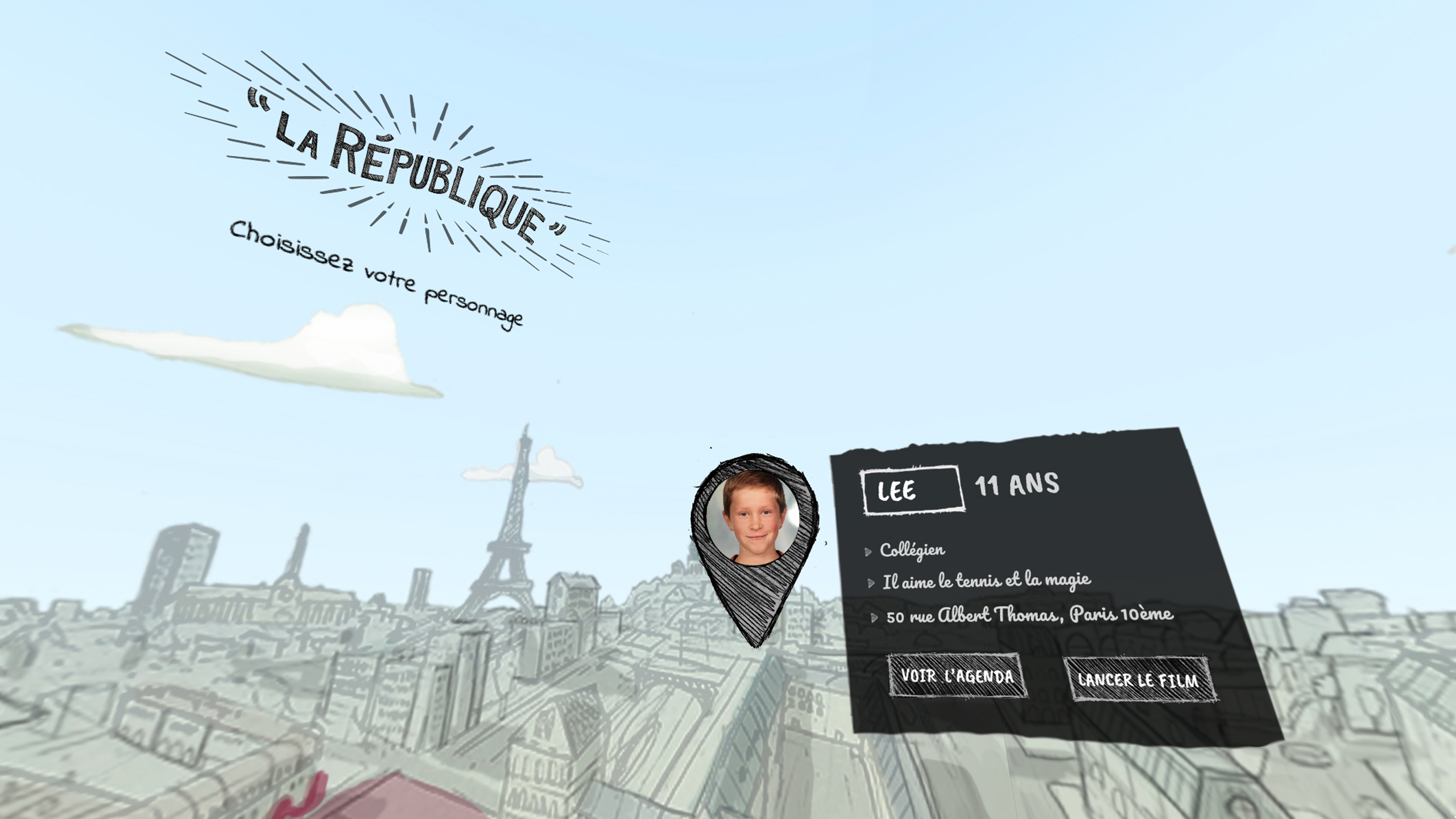
In “La République”, Harvard Faculty of Arts and Science is providing beginning French students with an immersive field trip and conversational simulation taking place in the City of Lights.
In today’s global digital economy, transcultural competence and language proficiency is a must. But it is a hard skill to gain unless you have the ability to travel to other countries for long periods of time and practice the language in its original environment.
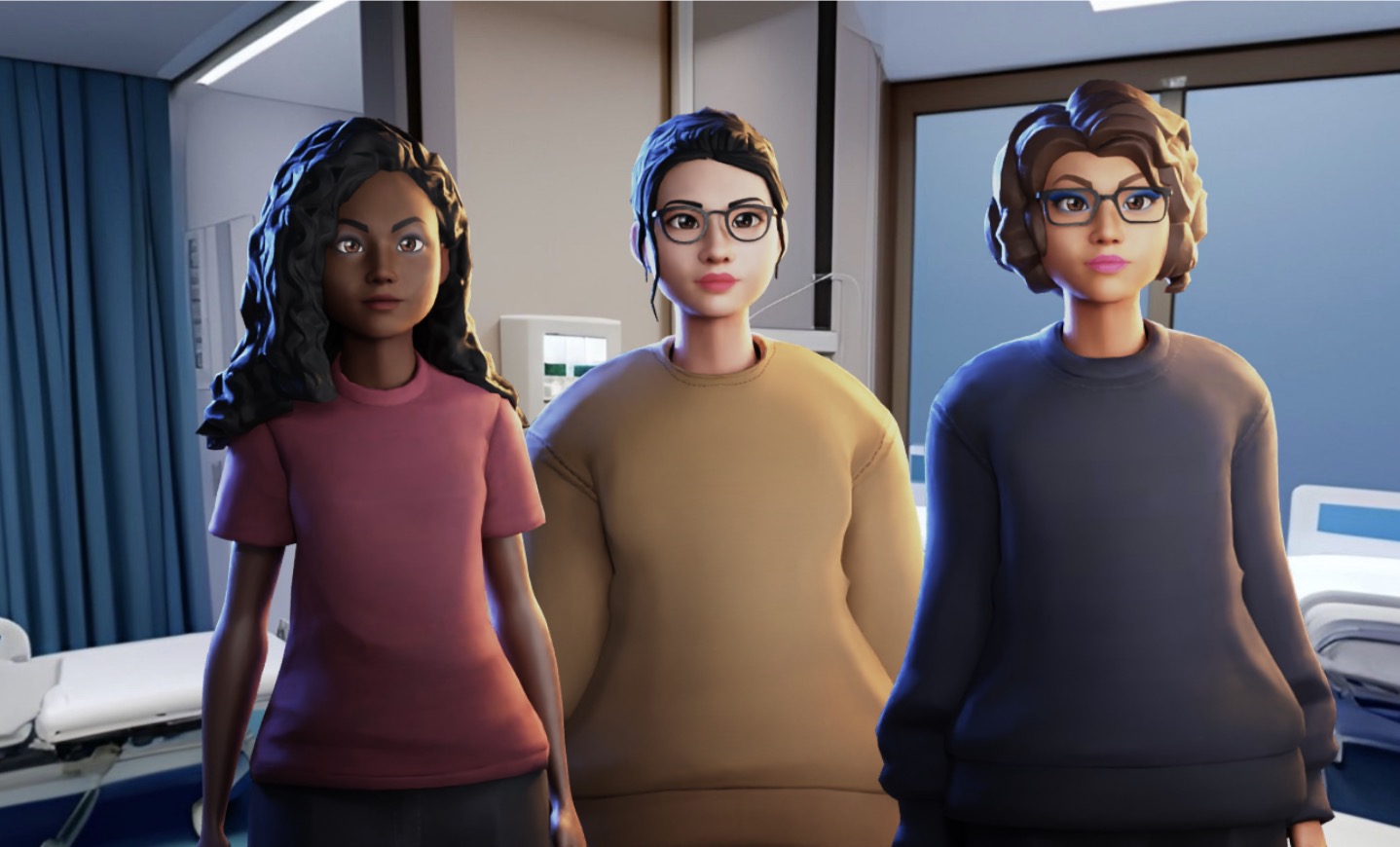
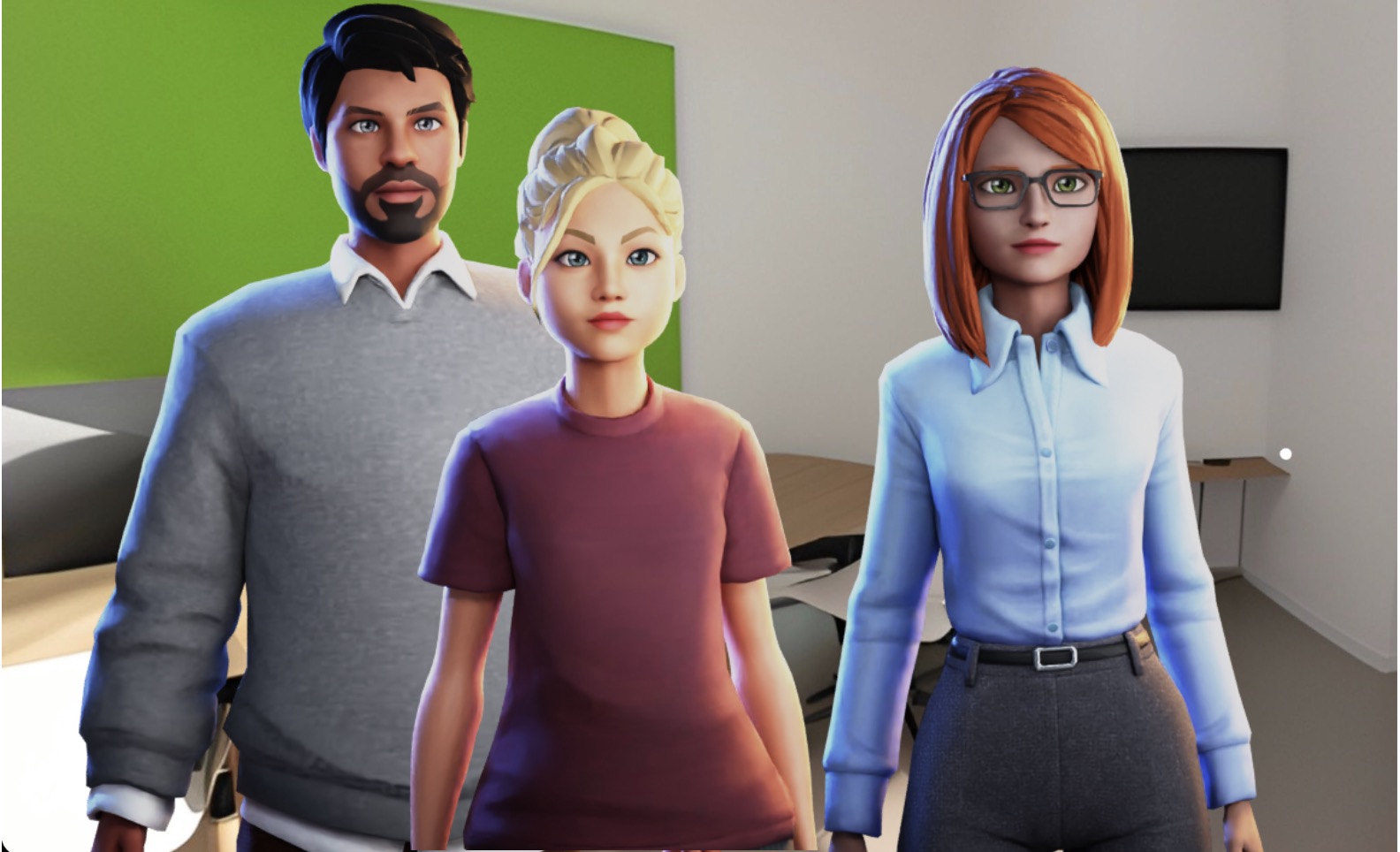
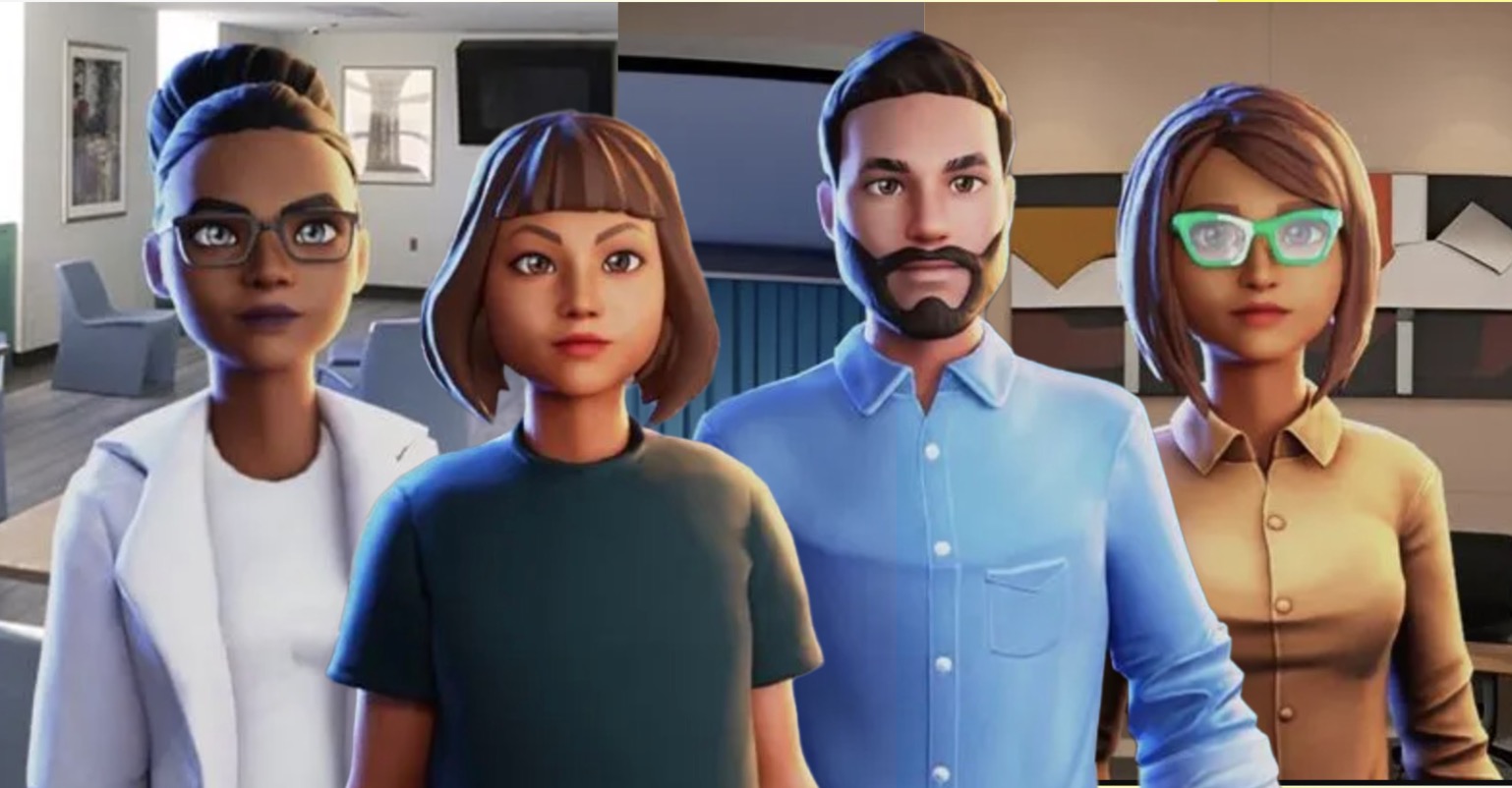
At Harvard, French Language 11 students now have the ability to experience Parisian life through the eyes of 4 locals in short, intensive first-person experiences. But not only. They can also interact with one of the character to practice their speaking and writing skills.
Made accessible directly from within Harvard FAS on-campus classrooms in Boston, this multi-part interactive virtual experience allows them to interact with the different characters in complete cultural immersion and gain more confidence in day-to-day exchanges in a foreign language.
Read also the great article published on the OpenAI Education substack here: https://edunewsletter.openai.com/p/immersive-language-learning-with
The Faculty of Arts and Sciences is the historic heart of Harvard University, founded in 1636. It is the home of Harvard’s undergraduate program as well as all of Harvard’s PhD programs, serving more than 10,000 students every year.
The 40 academic departments and 30+ excellence centers of the FAS support a community unparalleled in its academic excellence across the broadest range of liberal arts and sciences disciplines, including language learning.

It is often said that 95% of language learning programs fail at providing students proficiency and confidence in speaking a foreign language.
Yet, in today’s digital, globalizing economy, transcultural competences and language proficiency is a must.
The best approach consists in allowing students to travel to other countries for long periods of time and practice the language in its original environment. But can you achieve similar outcomes with virtual immersive fields trips?
How can virtual reality enhance foreign language students' ability to envision and understand the diverse and multifaceted nature of target cultures?
Nicole Mills, the director of language programs at Harvard started her journey with Wonda by creating her own virtual field trip in Paris.
"The goal of the virtual field trip was to give students the opportunity to “live” the stories of diverse Parisians through virtual immersion. They could see not only the architecture and cultural landmarks but participate peripherally in experiences that were unexplored and unexpected. The four Parisians provided virtual access to certain encounters that students may never come across during a visit or long‐term stay in Paris."
French Language students now have the ability to experience Parisian life through the eyes of 4 locals in short, intensive first-person experiences taking place in one of Paris' most lively neighbourhoods.
By engaging in such a simulation of life in a foreign city, La République explores the construction, the evolution, and the complexity of Parisian identity through French and francophone texts, images, film, advertisements, articles, and songs - through extra sensory elements that make them feel emotionally involved
Made accessible directly from within the classroom in Boston, this interactive VR experience allows them to interact with the different characters in complete cultural immersion and gain more confidence in day-to-day exchanges in a foreign language.

“The opportunity to talk through what we were seeing in real time ... was helpful practice for speaking on the fly.” says a Harvard student.

Immersion in virtual reality environments can unite language, place, and community as students experience highly contextualized real‐world environments in visual, auditory, and sensory modalities.
Based on this experience, the innovative immersive field trips can engage participants in unique and different ways:
For her students, the feedback was overly positive:
“Seeing the quarters, they looked very different from what I’d imagined by piecing together facts and photos.”
“I learned what they actually look and feel like. Even with pictures and reading of descriptions, I didn’t really feel the personality of the places until now.”
“Being able to see details that a movie would gloss over, I hear the sounds of everyday life and being able to choose what to look at as if we were there made for a more compelling and interactive experience.”
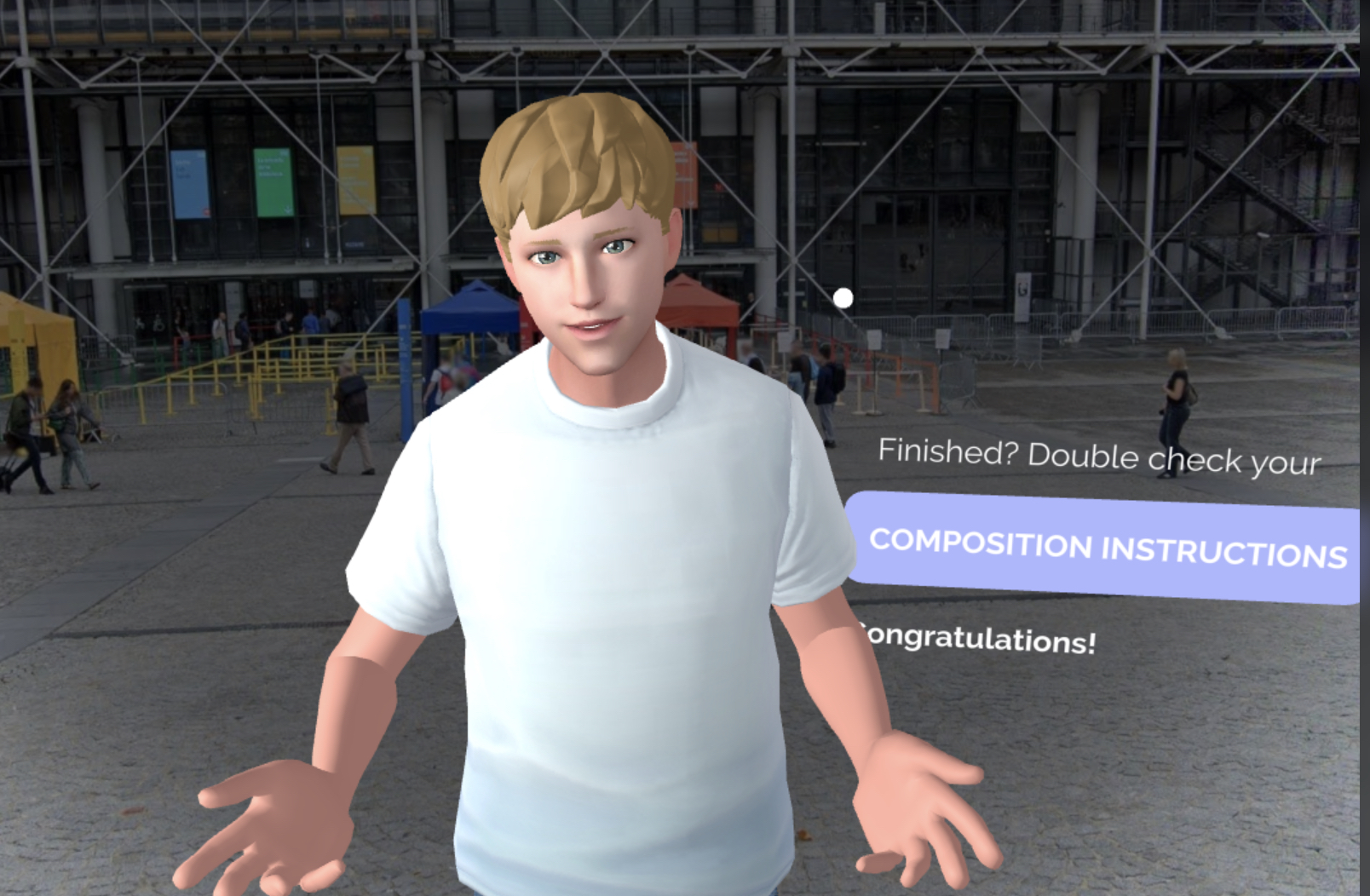
Extend the experience with Lee AI, the digital twin of the real 11-year old Parisian featured in the La République original simulation.
Students can enhance their experience by having a conversation with the AI-powered avatar of Lee, and discuss his habits, his family, friends, and passions through simple and authentic conversations.
Last but not least, students can also engage with Lee to help them write their composition.