Safe Practice for Critical Care: Implementing Martha's Rule and Empathy Training with AI

Designed for ward-based nurses and allied health professionals, these modules provide a psychologically safe environment to practice difficult conversations and core Trust priorities, such as Martha's Rule

Summary

Sheffield Children’s NHS Foundation Trust is one of only three dedicated children’s hospital trusts in the UK, providing integrated healthcare, community, and acute specialist services. To address critical clinical training needs at scale, the Trust leveraged the Wonda platform to develop an interactive, AI-powered role-play simulation program. The resulting 12-week summer program, titled "Caring Together: Day One," was designed to be delivered to the hospital’s ward-based nursing staff and allied health professionals.

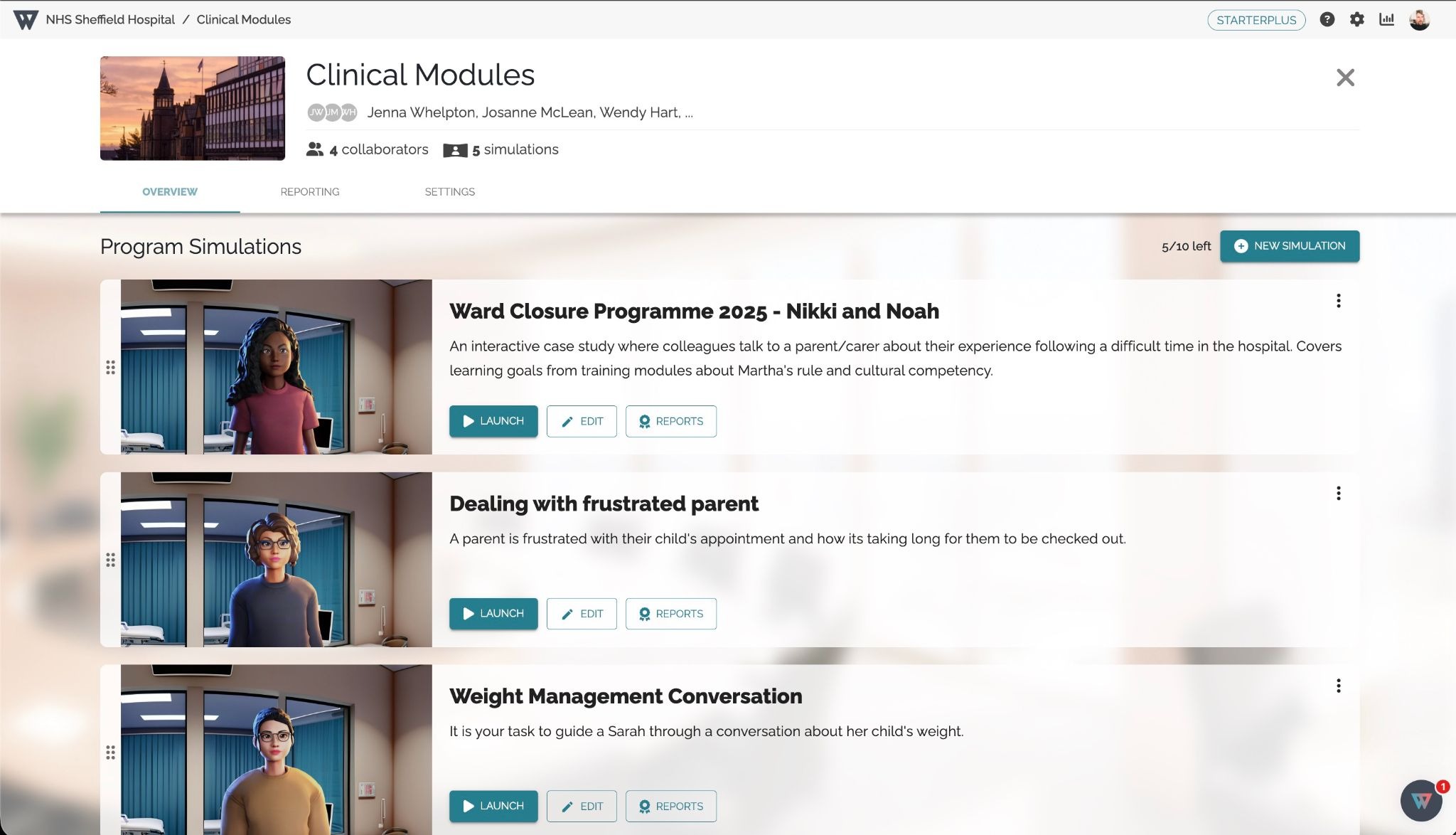
In the resulting program composed of 3 simulations, trainees interact with different concerned parents to identify their child condition, communicate it, and empathetically describe escalation process.

Overview of the Clinical Module "Caring Together"

Objective

The primary purpose of the clinical modules is to provide staff with a safe environment to explore and deepen their understanding of core Trust priorities, particularly Martha’s Rule, Sepsis recognition, and Cultural Competency.

Specifically, the clinical simulations aim to help learners:
  • Define Martha's Rule and clearly explain the escalation process if a patient deteriorates.
  • Recognize the subtle signs of sepsis and effectively escalate care.
  • Communicate effectively and empathetically with distressed or defensive parents regarding sensitive health information or systemic delays.
  • Overcome the anxiety and fear of judgment that staff typically experience when performing role-plays with their peers.
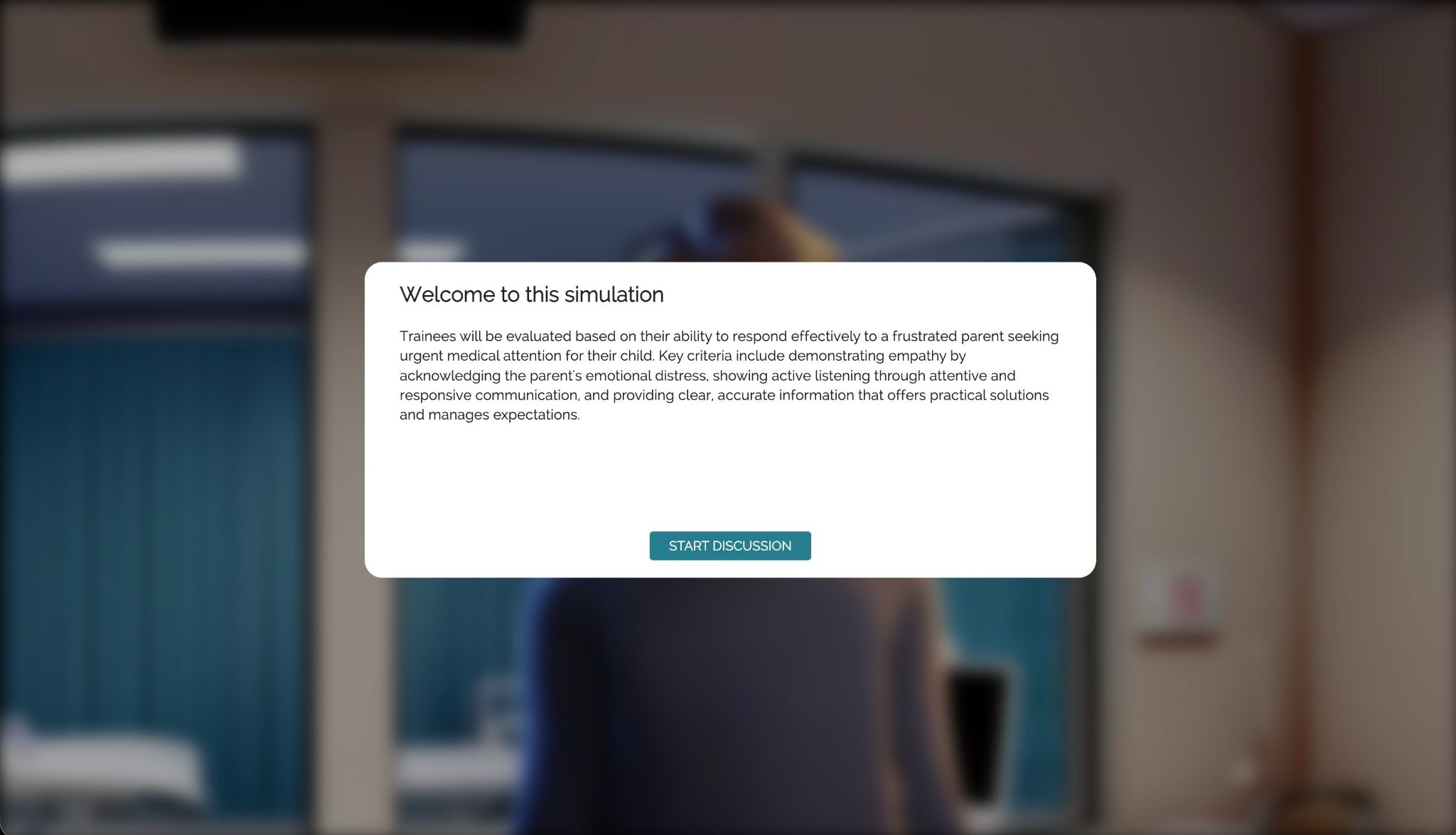
Introduction scene of the simulation with Jane, the frustrated parent

Solution

The clinical education team designed interconnected AI simulations representing different patient and caregiver personas, specifically focusing on critical clinical scenarios:
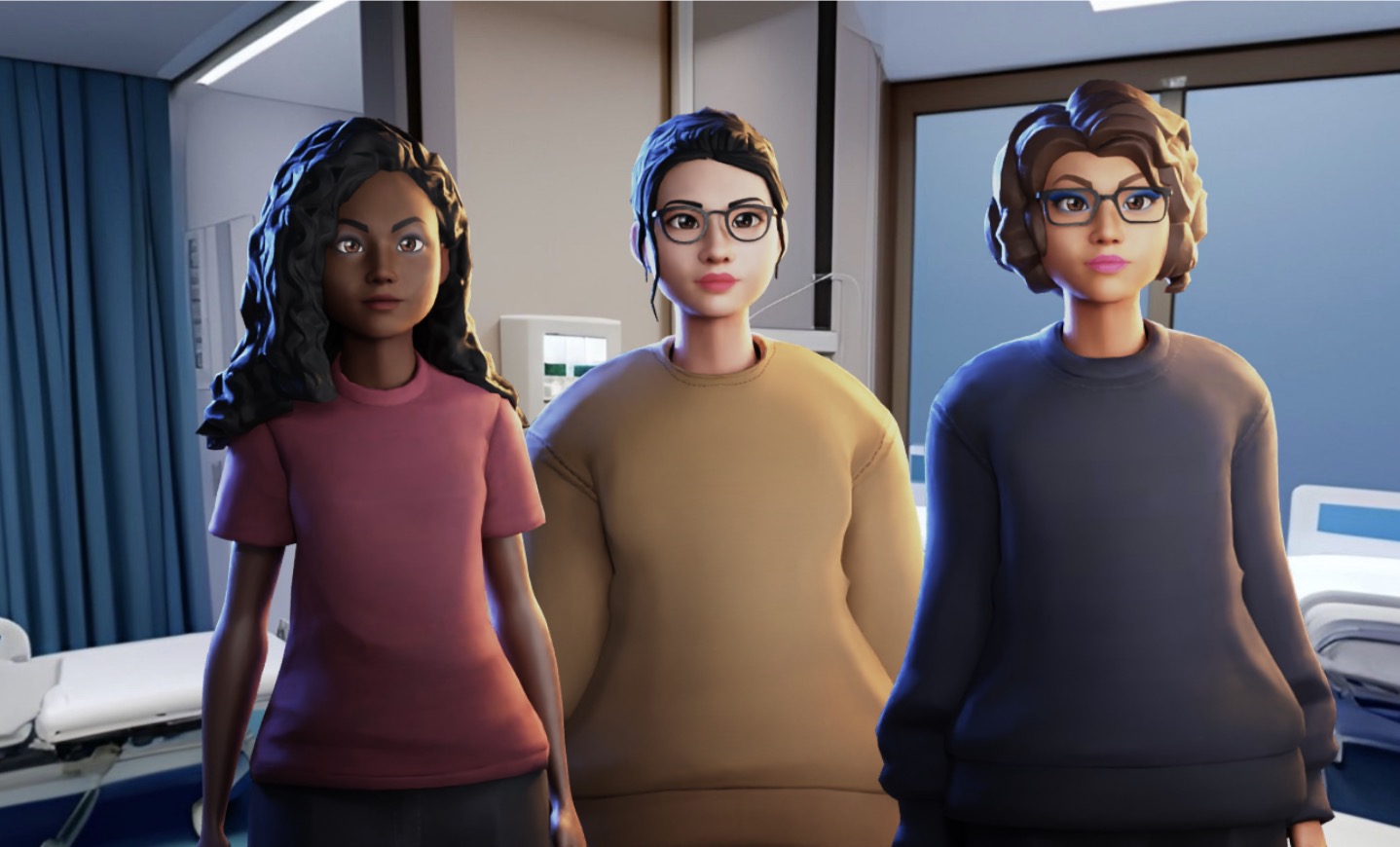
  • Nikki (Martha's Rule & Cultural Competency): Learners interact with Nikki, the distressed and angry mother of 13-year-old Noah. Noah has suspected sepsis, and his symptoms were initially dismissed by doctors. Learners must navigate Nikki's frustration, validate her concerns to escalate care (applying Martha's Rule), and demonstrate cultural competency by compassionately addressing her distress over a missed prayer time.
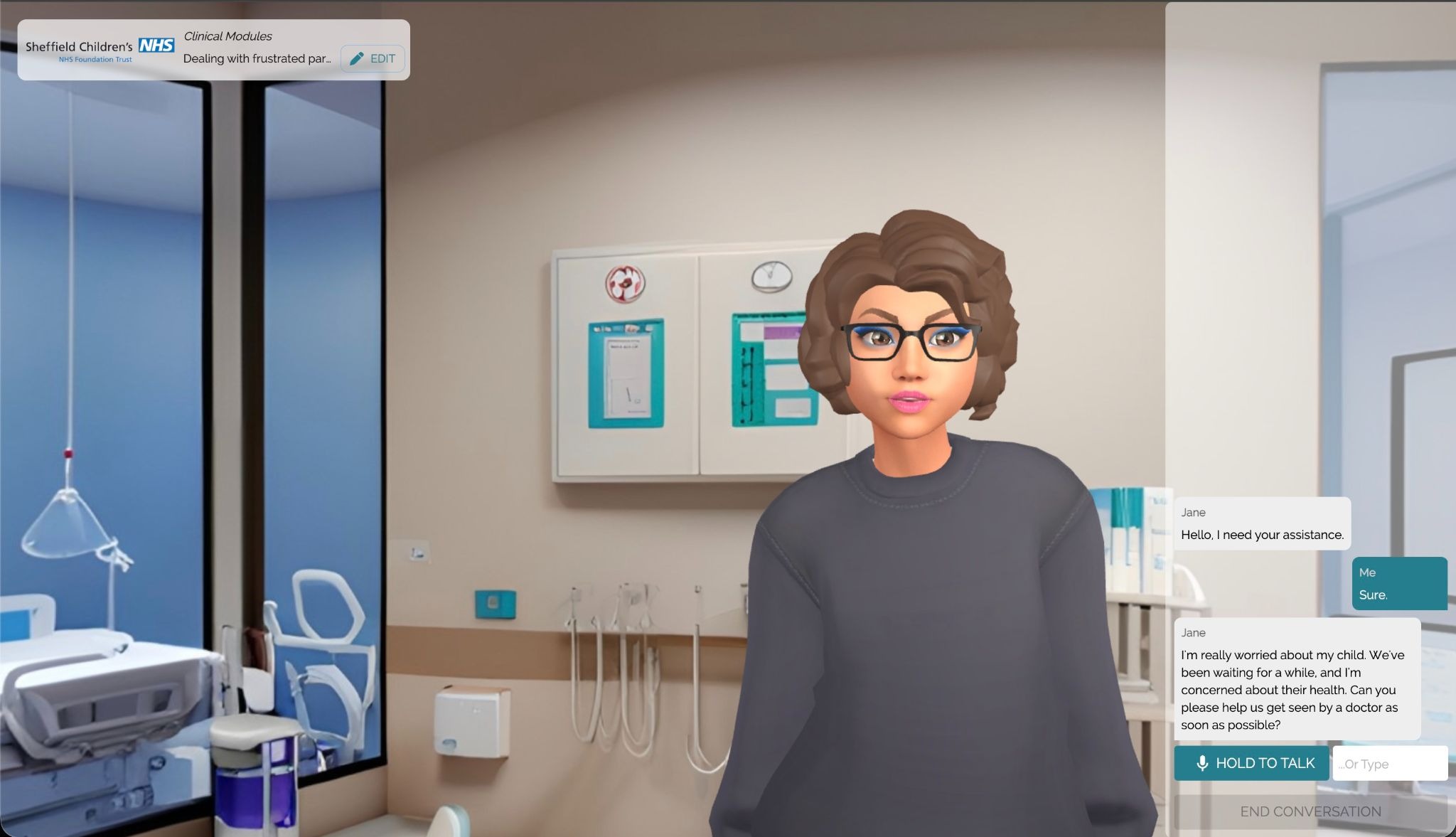
  • Jane (Dealing with a Frustrated Parent): Learners face Jane, a parent who is highly frustrated because her child's appointment has been delayed and it is taking a long time to be checked out. Students must practice under pressure, focusing on active listening, empathy, and providing clear, actionable information to de-escalate the situation.
  • Sarah (Weight Management): Learners guide Sarah, a protective and defensive mother, through a sensitive routine conversation about her 10-year-old daughter Amelia's recent weight gain. Students practice communicating difficult health information clearly and without clinical jargon, ensuring Sarah does not feel blamed or judged, while appropriately offering family-based support referrals.
Conversation begins with Jane

Assessment Criteria

Student progress is evaluated using detailed clinical rubrics built directly into the AI platform, providing structured feedback on the learner's approach. The primary assessment areas across these clinical personas include:
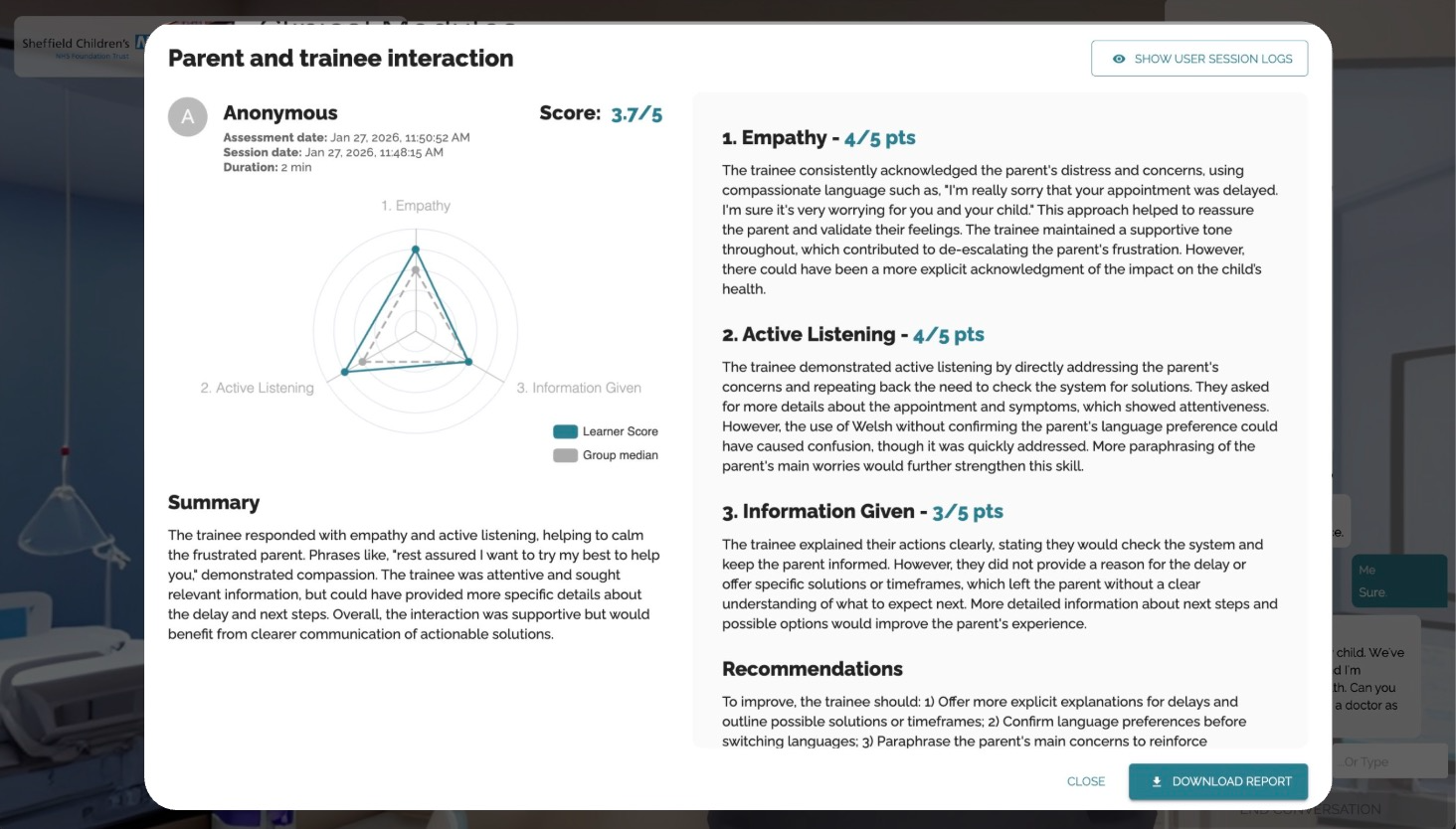
  • Compassion & Empathy: Acknowledging emotional distress and validating the parent’s feelings without minimizing the core health concern.
  • Demonstrate Accountability & Information Giving: Taking ownership of delays or situations, clarifying next steps, and ensuring concerns are passed on appropriately without deflecting responsibility.
  • Martha's Rule Application: Validating parent concerns regarding patient deterioration and clearly explaining how to escalate to the Nurse in Charge or Ward Manager.
  • Respect & Non-Judgment: Treating parent concerns as valid, avoiding blaming language (especially in the weight management scenario), and responding with understanding to diverse cultural needs.
Sample assessment report provided to learners after the conversation with Jane.

Outcome

The initial pilot for the clinical modules was highly successful. The team was able to get a working model up in just a few hours and finalize the first module within a week.

“It is incredible to see for us that we managed to pull off the first module with Wonda in less than a week. We are pretty 'archaic' at NHS Hospital - people still use fax machines - but it was very easy with Wonda to build it.”

Engagement metrics demonstrate the success of the clinical focus: the "Nikki" simulation generated 334 sessions, "Jane" saw 75 sessions, and "Sarah" recorded 65 sessions.

“Wonda provide the psychological safety for students to practice their learning, have multiple gos at it and receive feedback in a way that is useful to them.” — Jenna Whelpton, Learning Technology Advisor

Crucially, the program provided a safe, non-judgmental space for staff to practice highly sensitive clinical conversations. Because the feedback came from a "machine" rather than a human peer, learners were much more receptive to critique and felt a greater sense of psychological safety. The success of these clinical modules caught the attention of the Trust's CEO, who tested the program and now wants to expand AI simulations into other difficult clinical use cases, such as breaking bad news in palliative care.

“Students loved the feedback they received from the 'machine' - they took the feedback better, because it is coming from a machine.” — Jenna Whelpton

More coming soon.

Other Case Studies

Improving Postpartum Mental Health Care Using AI-powered Simulations
Engage with a virtual patient and her family, explore the complexities of postpartum depression, & receive personalized feedback to improve therapeutic communication and empathetic care.
2026
Mastering the Cultural Formulation Interview in Psychiatry
Engage with virtual patients from diverse cultural backgrounds, explore the social and cultural factors that shape their understanding of illness, and receive personalized feedback to promote person-centered evaluation.
2026
Develop Ethical Reasoning Skills of Middle Schoolers
Develop ethical reasoning skills for Middle Schoolers (!) by reflecting on moral quandaries in an immersive fictional universe
Quandary
2023

Free Trial Available.

Schedule a call with us to learn how conversational AI simulations can serve your training needs.