Thank you for reaching out!
We'll be in touch shortly.
Oops! Something went wrong while submitting the form. Please refresh the page and try again.
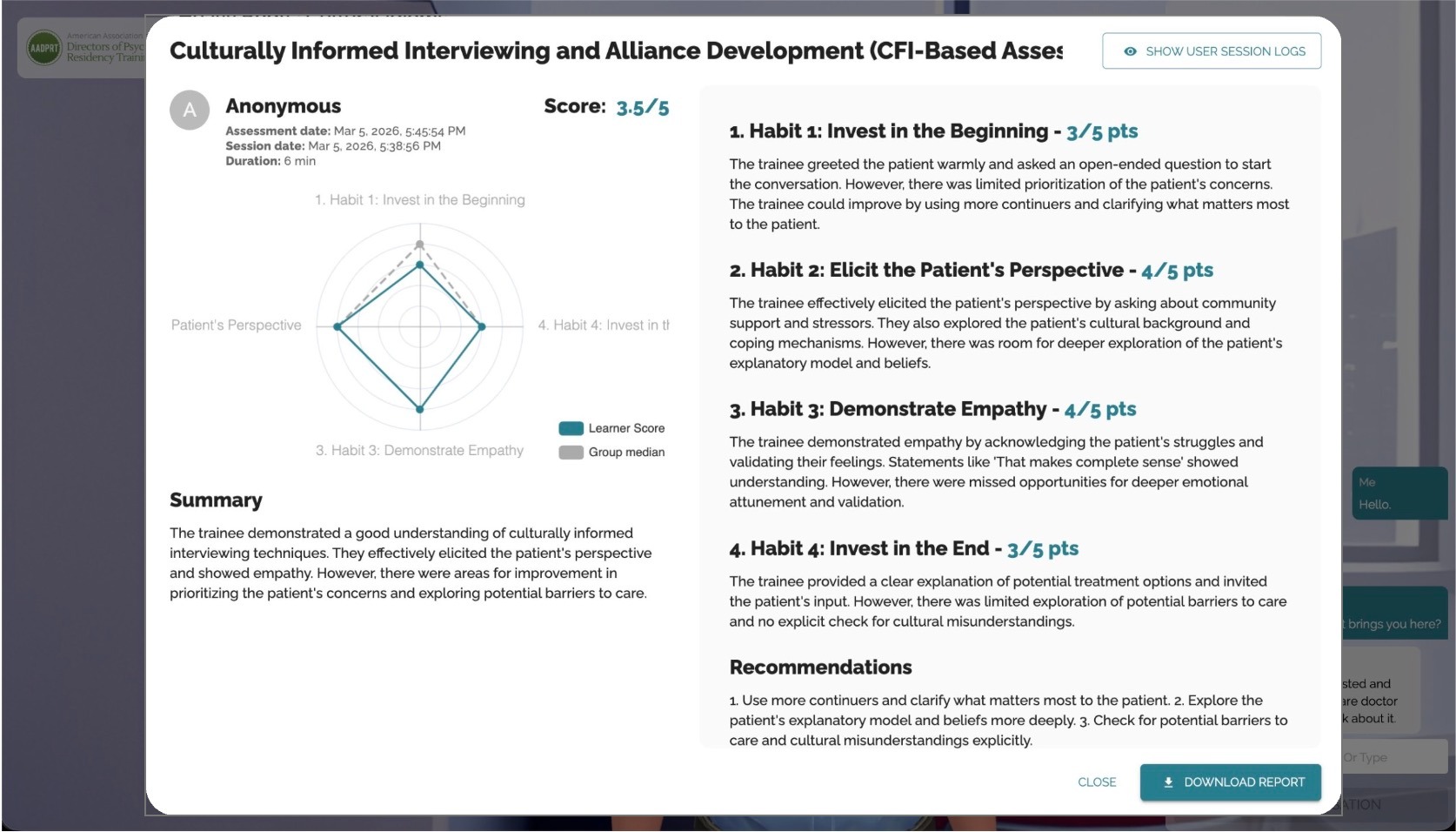
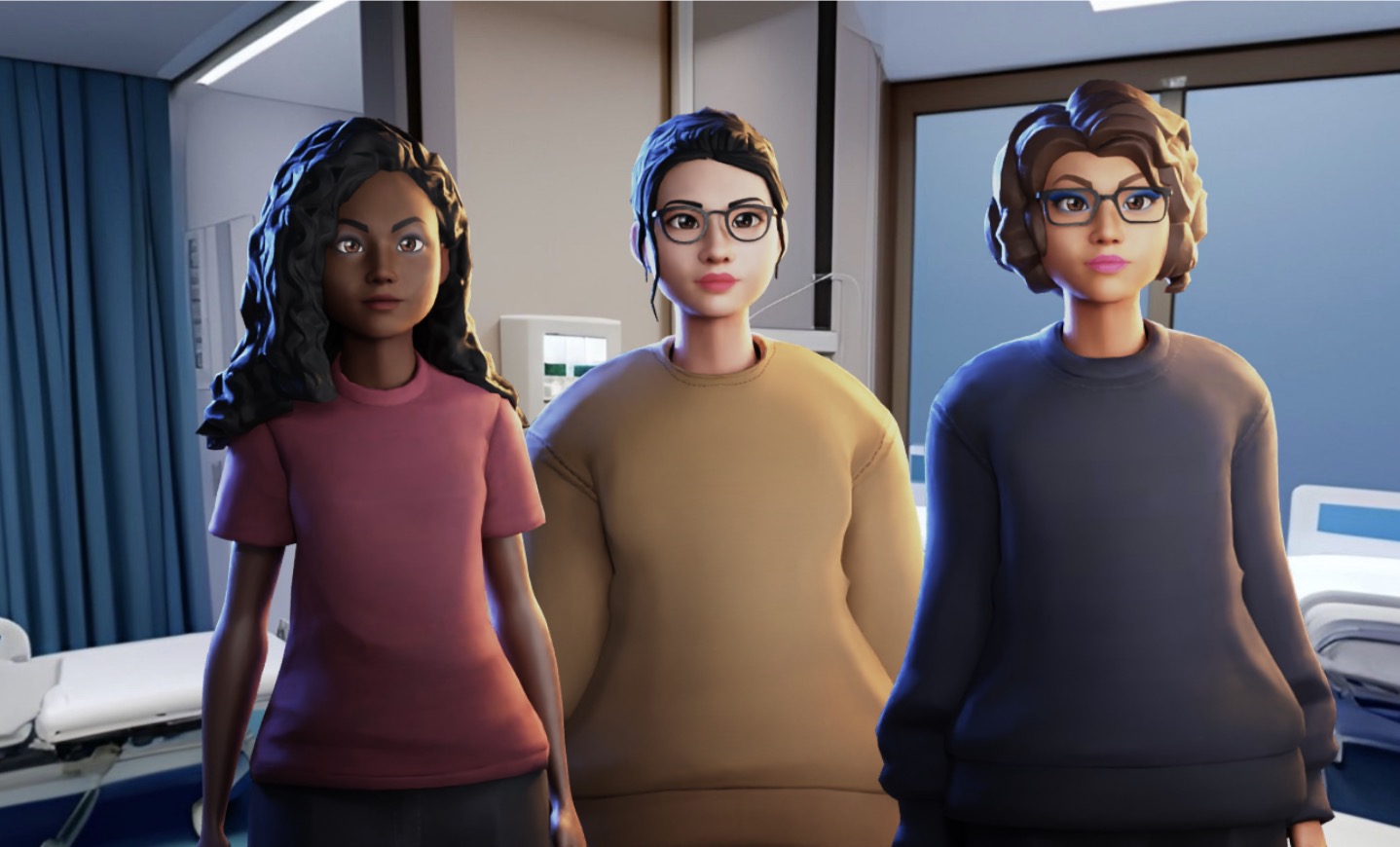
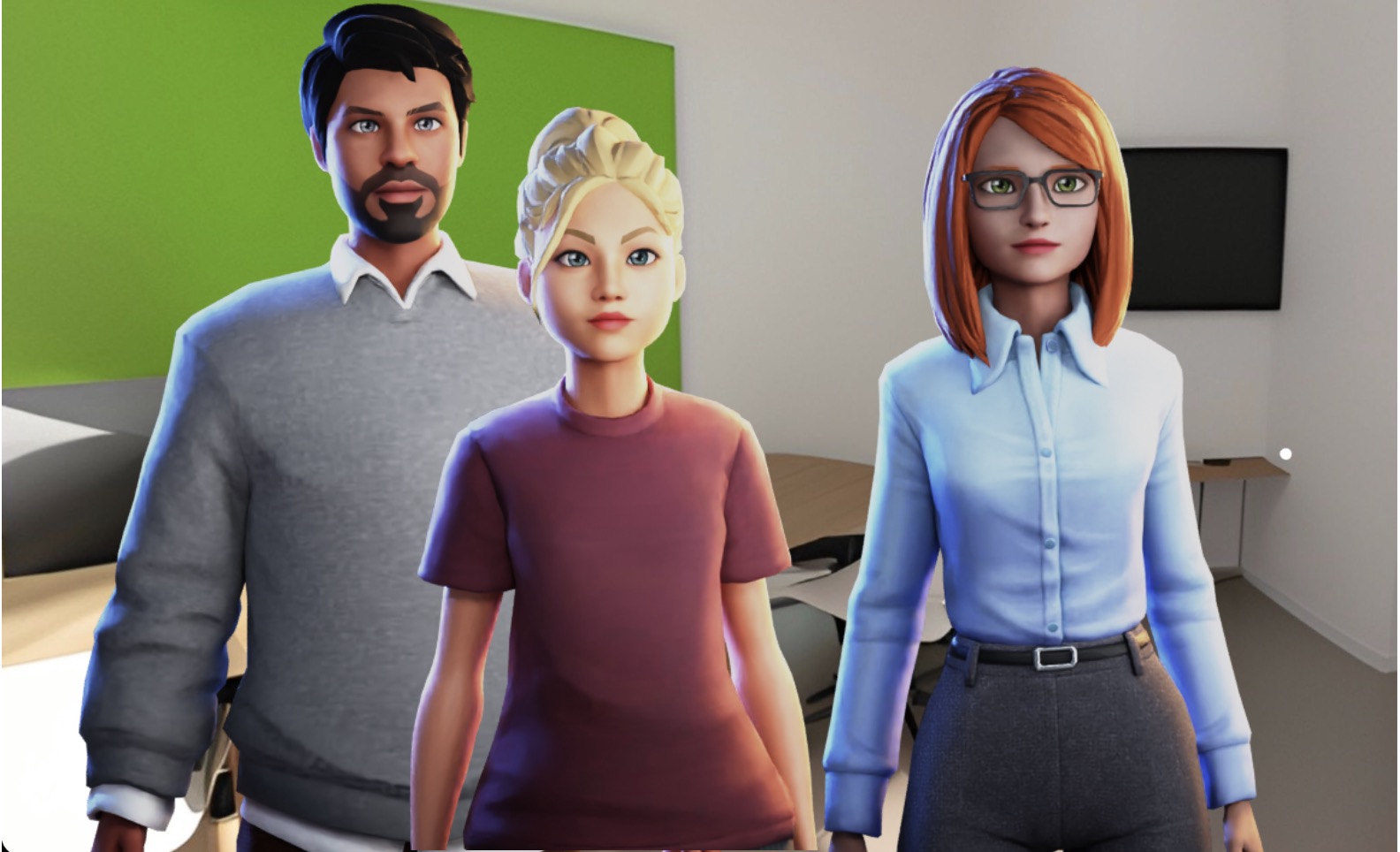
Engage with virtual patients from diverse cultural backgrounds, explore the social and cultural factors that shape their understanding of illness, and receive personalized feedback to promote person-centered evaluation.
Experts from Maimonides Medical Center and Columbia University partnered to develop an immersive workshop on the Cultural Formulation Interview (CFI) for the AADPRT 2026 conference. For the development of the experience, the group led by Dr. Lucia Roitman leveraged Wonda Pro and conversational AI to create interactive, virtual human simulations.
Useful Definition: The Cultural Formulation Interview (CFI), is a semi-structured, person-centered interview included in the Diagnostic and Statistical Manual of Mental Disorders (DSM), a handbook published by the American Psychiatric Association that provides standard criteria and codes for diagnosing mental disorders. CFI is used alongside standard diagnostic tools to improve diagnostic accuracy, engagement, and treatment planning, especially when there are cultural differences or communication barriers between clinician and patient.
The purpose of using conversational AI is to train psychiatric residents and clinicians to practice CFI skills in a safe, low-stakes environment, receive immediate, structured feedback, and engage in deliberate practice over time. Unlike traditional role-play, AI simulations are scalable, reproducible, and available on demand—minimizing faculty burden while maximizing learner engagement.
For the immersive learning component specifically, the intention was to allow learners to better understand the complexity of culturally informed care through immersive practice:

The team has designed a program that guides learners through authentic cases using browser- and mobile-compatible simulations. The experience includes:
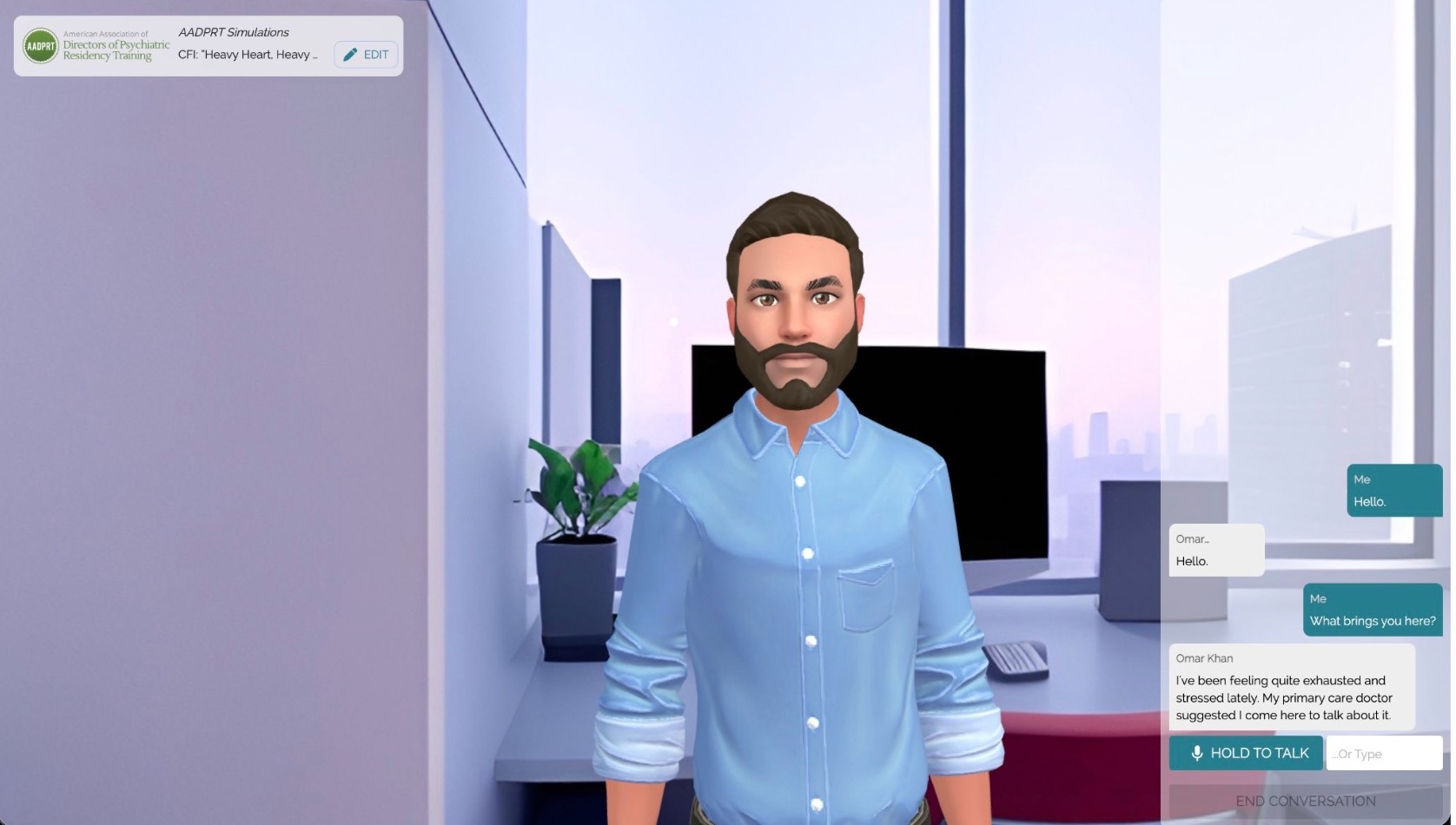
With this learning experience, the program aims to yield better clinical outcomes by building trust, reducing misunderstandings, identifying barriers to care, and improving alignment between the patient and care team.
The simulation-based practice also supports overall residency skills development through direct alignment with ACGME Milestones that describe the knowledge, skills, attitudes, and performance levels residents and fellows are expected to demonstrate from the start of their training through graduation to unsupervised practice.
Beyond the CFI, this interactive model serves as a foundation for teaching other core clinical interviewing skills, such as suicide risk assessments, motivational interviewing, trauma-informed conversations, and delivering difficult news.