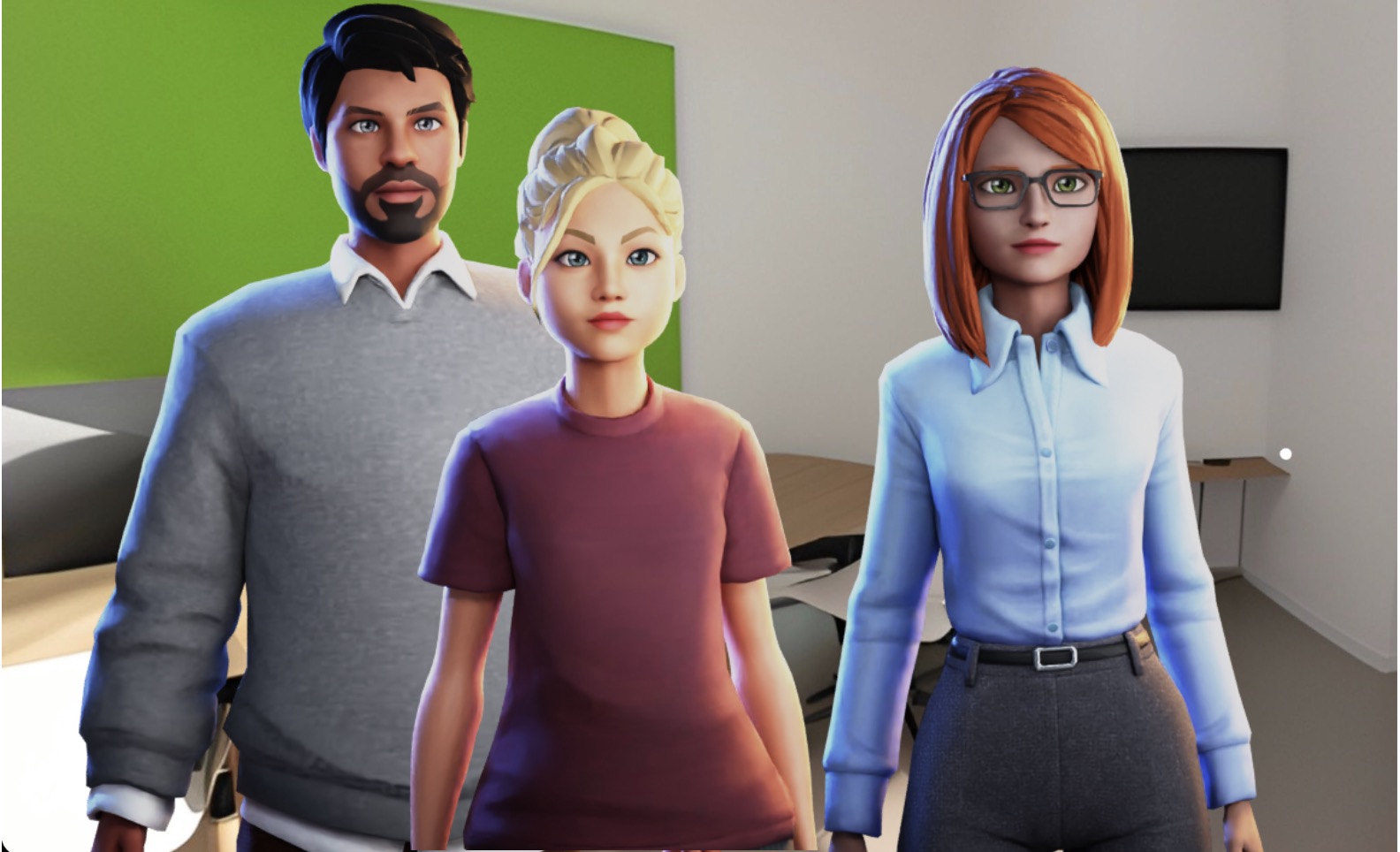
Improving Postpartum Mental Health Care Using AI-powered Simulations

Engage with a virtual patient and her family, explore the complexities of postpartum depression, & receive personalized feedback to improve therapeutic communication and empathetic care.

Summary 

The School of Nursing at Boise State University has developed an asynchronous, immersive learning experience focusing on postpartum mental health care for nursing and interprofessional students. Led by Dr. Darci McCall, a clinical professor with extensive expertise in maternal-child health and nursing education, the program leverages Wonda to create interactive, AI-powered text-based chatbot simulations.

The current pilot is composed of three conversational simulations–one with a patient experiencing postpartum depression, one with her partner, and one debriefing the experiences with the two characters. 

Objective 

The immediate purpose of this simulation program is to increase student confidence and skill in therapeutic communication during sensitive conversations, with a long-term goal of expanding into interprofessional education (IPE) to prepare students across health disciplines.

For the immersive learning component specifically, the intention was to give learners an opportunity to better understand the complexity of postpartum depression and family stress by:
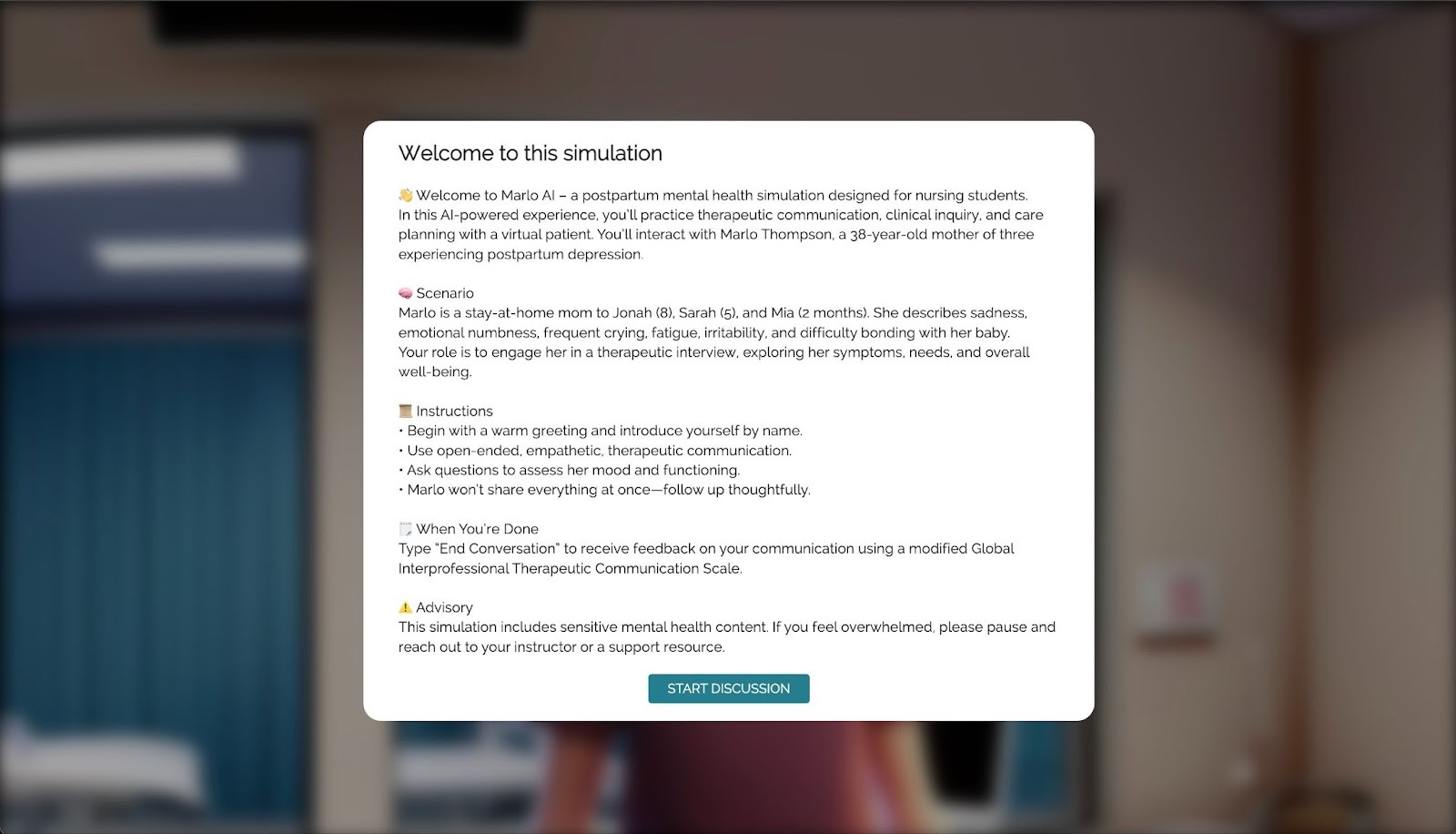
  • Practicing therapeutic and nonjudgmental communication.
  • Conducting meaningful mental health assessments and appropriately administering screening tools like the Edinburgh Postnatal Depression Scale (EPDS) and Perceived Stress Scale (PSS).
  • Identifying signs and symptoms relevant to postpartum depression and anxiety.
  • Developing personalized care plans using clinical reasoning.
  • Reflecting on the patient’s experience and their own communication approach to see how word choice and tone affect patient trust and disclosure.

Introduction to the first encounter with Marlo, the mother in postpartum depression.

Solution 

The team has designed a comprehensive training program featuring three interconnected simulations that represent different stakeholder perspectives in postpartum mental health care:
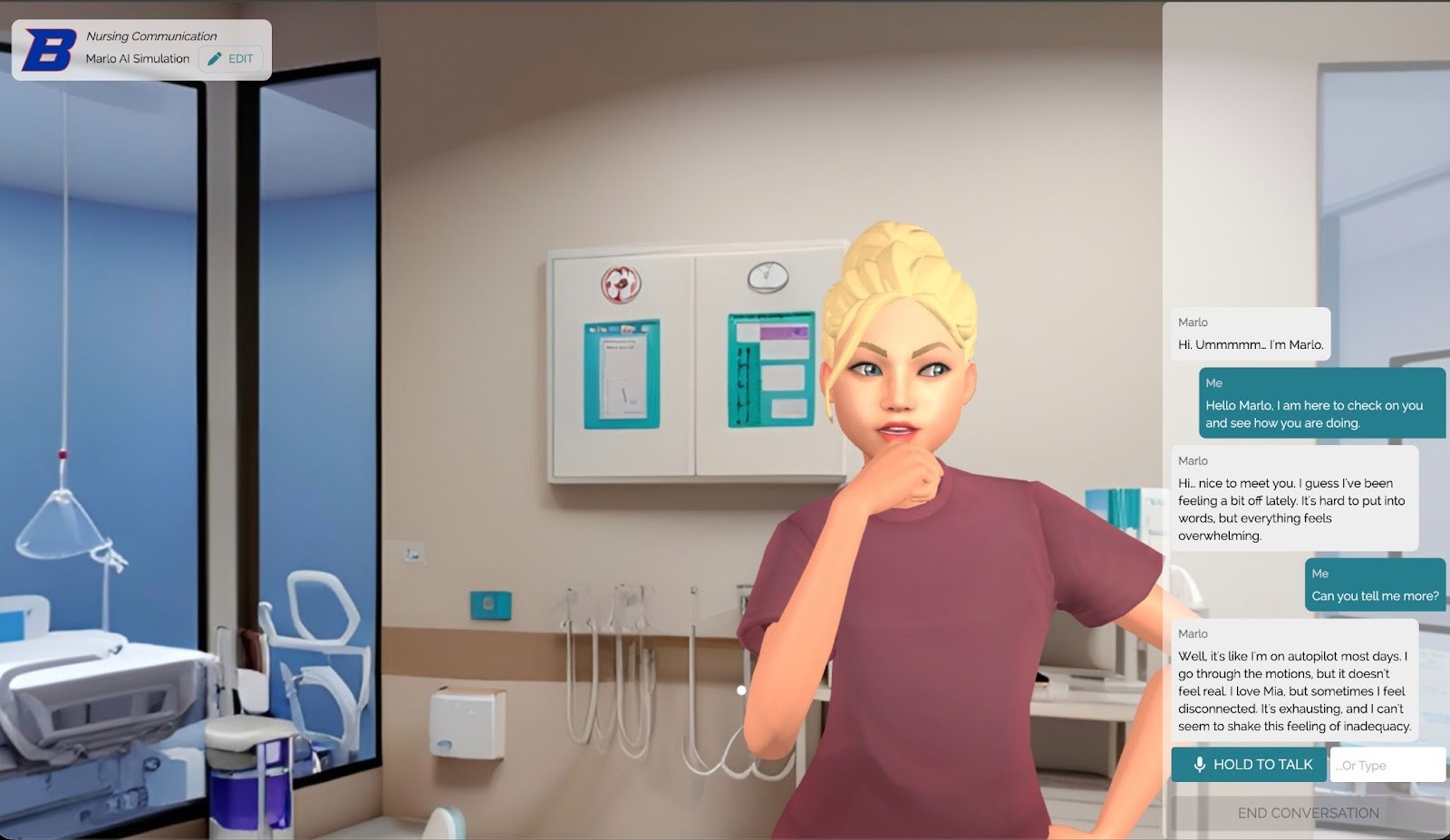
  1. Marlo AI (Patient Perspective): Learners interact with Marlo, a 38-year-old mother experiencing postpartum depression, to practice clinical inquiry, therapeutic communication, and care planning.
  2. Drew AI (Family Member): Learners speak with Marlo's 40-year-old partner, Drew, to practice relationship-building and explore the realistic family dynamics and feelings of helplessness that come with supporting a partner through depression.
  3. Robyn AI (Reflective Practice): A guided debriefing session using Tanner's Clinical Judgment Model. An AI facilitator named Robyn guides learners through four phases (Noticing, Interpreting, Responding, Reflecting) to process their emotional reactions, explore communication choices, and connect their learning to professional practice.
Starting the conversation with Marlo, the mother.


Assessment Criteria Student progress and therapeutic communication skills are evaluated using a modified version of the Global Interprofessional Therapeutic Communication Scale (GITCS). This tool provides learners with structured, individualized feedback on their approach to patient care, helping them identify where they are excelling and where they can improve. 

The primary assessment focus areas include:

  • Setting the Stage: Delivering a professional greeting, ensuring a culturally safe manner, and mutually establishing goals.
  • Building Trust: Demonstrating genuine understanding, verbalizing interest, and encouraging patient feedback.
  • Active Communication: Effectively utilizing open-ended questions, acknowledging the patient's emotions, and using therapeutic silence.
  • Patient-Centered Approach: Keeping the focus on the patient's needs and actively avoiding potential communication barriers.
  • Clinical Reasoning: Applying Tanner’s Clinical Judgment Model to assess how well students notice cues, interpret emotional distress, respond to the patient, and reflect on their actions.

At the conclusion of the experience, learners receive a comprehensive feedback report after the Robyn AI debriefing session. This assessment summarizes their engagement, highlights specific strengths (such as active listening and empathy), identifies areas for continuous growth, and provides actionable recommendations to enhance their confidence and clinical practice in real-world settings.

Sample Assessmentreport received by the student after their conversation with Marlo.

Outcome 

The postpartum depression pilot program has seen high engagement, becoming the most active use case on the platform at Boise State with 300 combined sessions. Progress and communication skills can now be practiced in an engaging way for students at Boise State while providing them with structured feedback on their active listening, empathy, and professional reasoning. 

By offering a safe, nonjudgmental space to learn, this ground breaking program opens up new opportunities to prepare students to provide compassionate, person-centered support in real-world clinical settings.

More coming soon.
Other Case Studies

Safe Practice for Critical Care: Implementing Martha's Rule and Empathy Training with AI
Designed for ward-based nurses and allied health professionals, these modules provide a psychologically safe environment to practice difficult conversations and core Trust priorities, such as Martha's Rule
2026
Mastering the Cultural Formulation Interview in Psychiatry
Engage with virtual patients from diverse cultural backgrounds, explore the social and cultural factors that shape their understanding of illness, and receive personalized feedback to promote person-centered evaluation.
2026
Develop Ethical Reasoning Skills of Middle Schoolers
Develop ethical reasoning skills for Middle Schoolers (!) by reflecting on moral quandaries in an immersive fictional universe
Quandary
2023

Free Trial Available.

Schedule a call with us to learn how conversational AI simulations can serve your training needs.