Thank you for reaching out!
We'll be in touch shortly.
Oops! Something went wrong while submitting the form. Please refresh the page and try again.
Engage with virtual clients, explore the complexities of mental health counseling, and receive personalized feedback to improve therapeutic communication, attending behaviors, and the five stages of a counseling session.
The Department of Addictions and Rehabilitation Studies at East Carolina University has developed an asynchronous, immersive learning experience focusing on foundational mental health counseling skills. Led by Dr. Dominiquie M. Clemmons-James, an Associate Professor and Director of the MS in Clinical Counseling program with extensive clinical expertise, the program leverages Wonda to create interactive, AI-powered conversational chatbot simulations.
The current program is composed of several conversational simulations where learners practice core microskills, conduct first-time counseling sessions, and move clients through the five stages of a counseling session.
The immediate purpose of this simulation program is to increase student confidence and skill in therapeutic communication and clinical interviewing. This initiative is part of a larger 4-year FIPSE-SP grant to support ECU in exploring AI technology for augmenting teaching and learning practices across multiple disciplines.
For the immersive learning component specifically, the intention was to give learners an opportunity to better understand the complexity of counseling by:
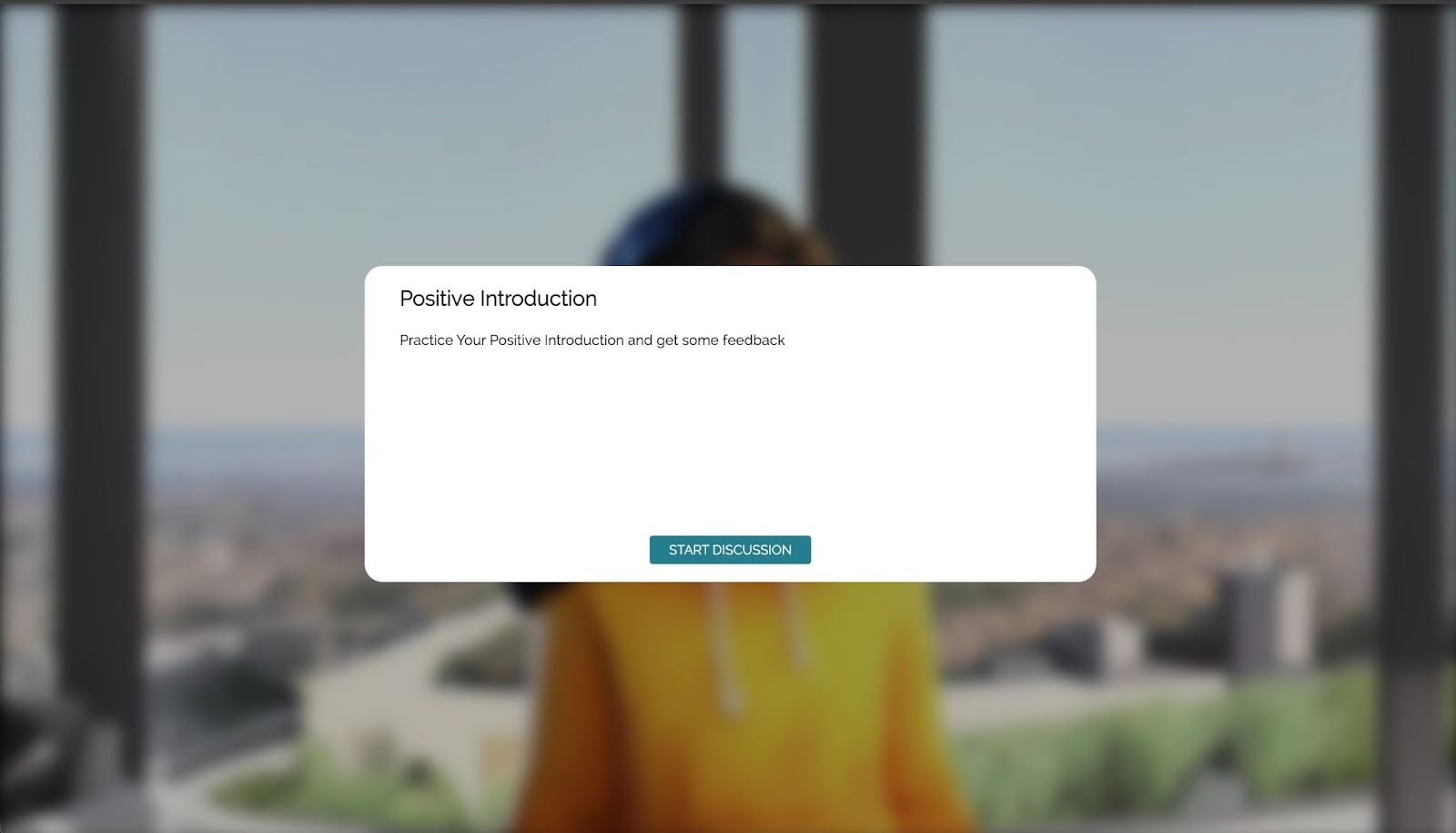
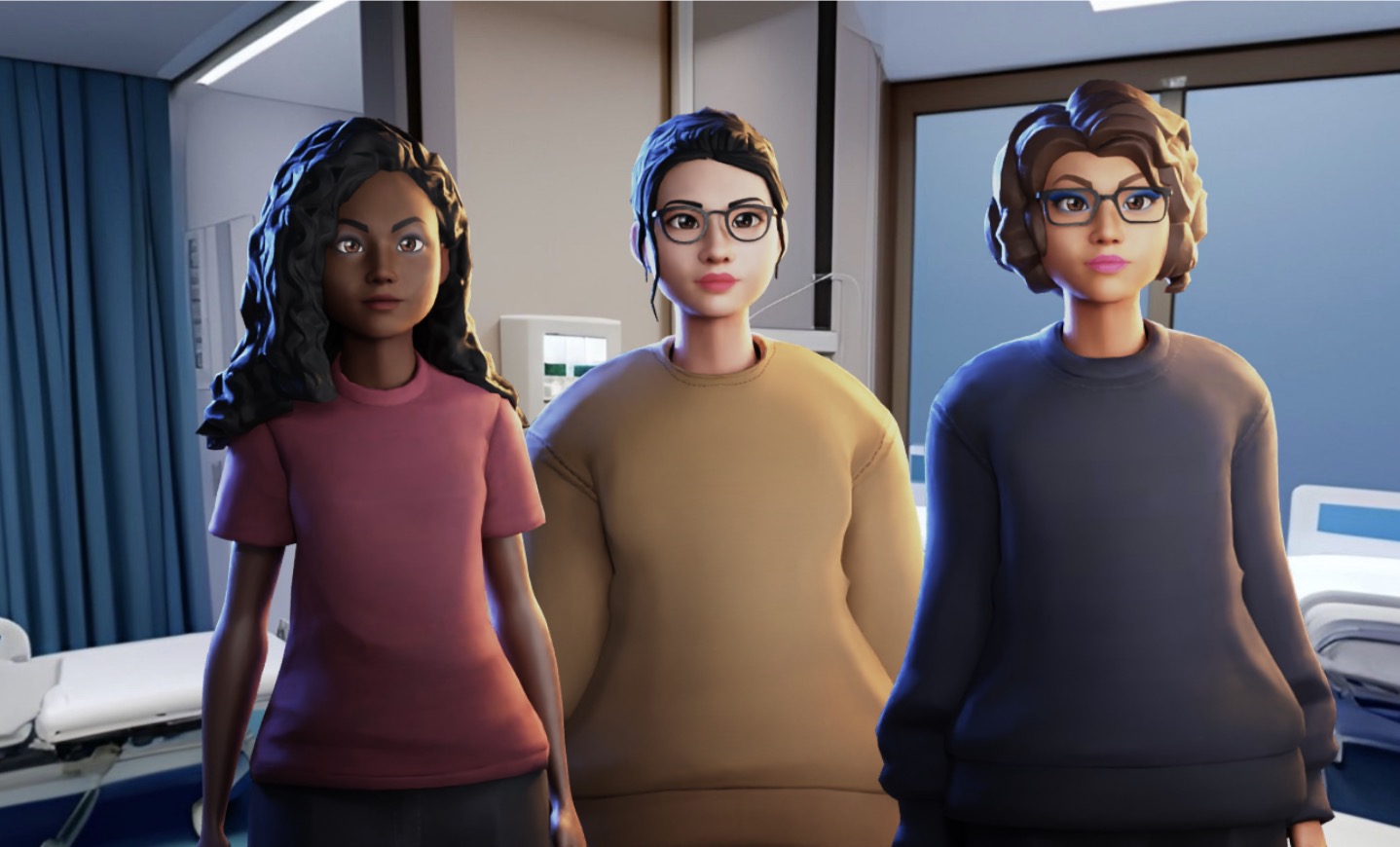
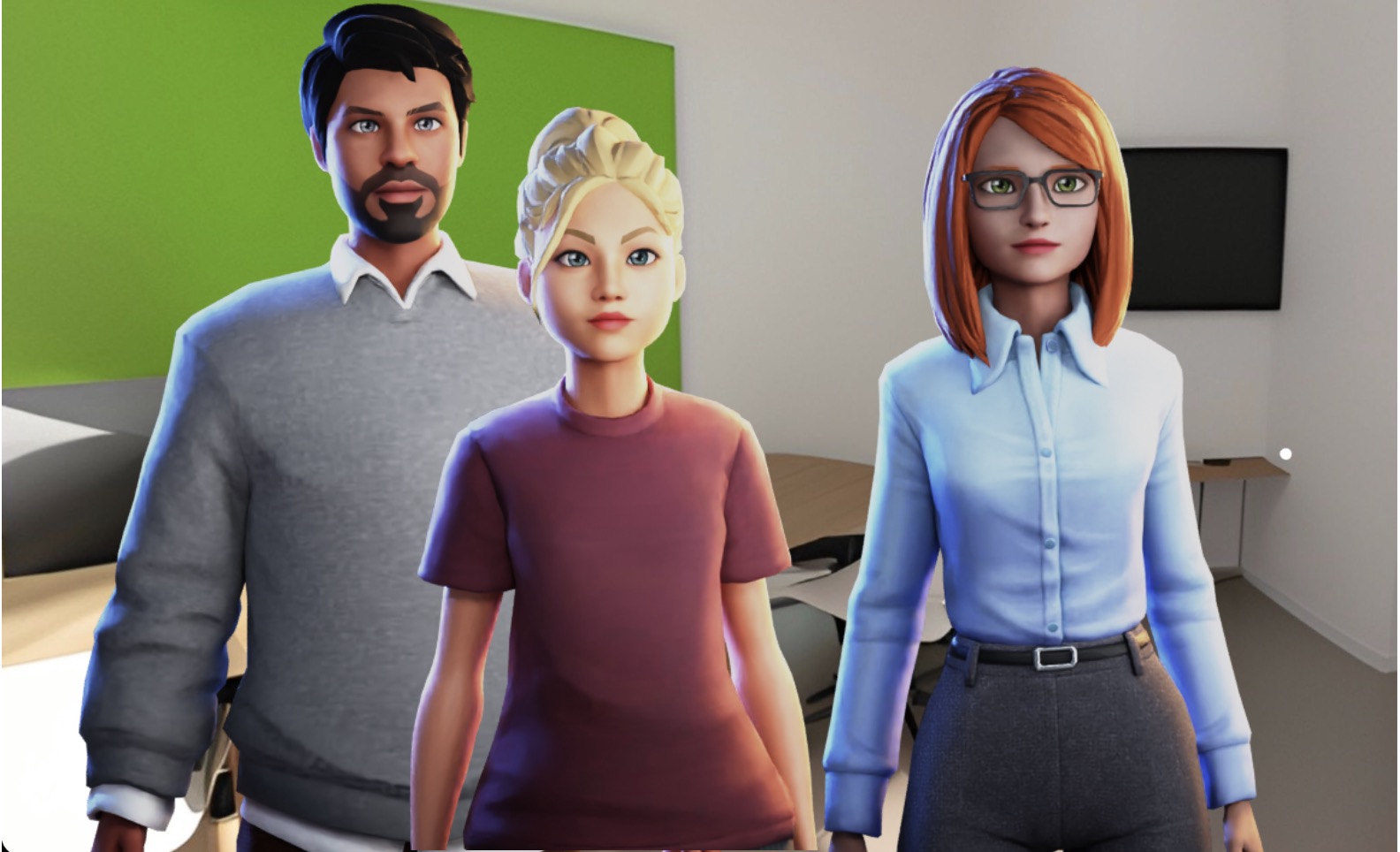
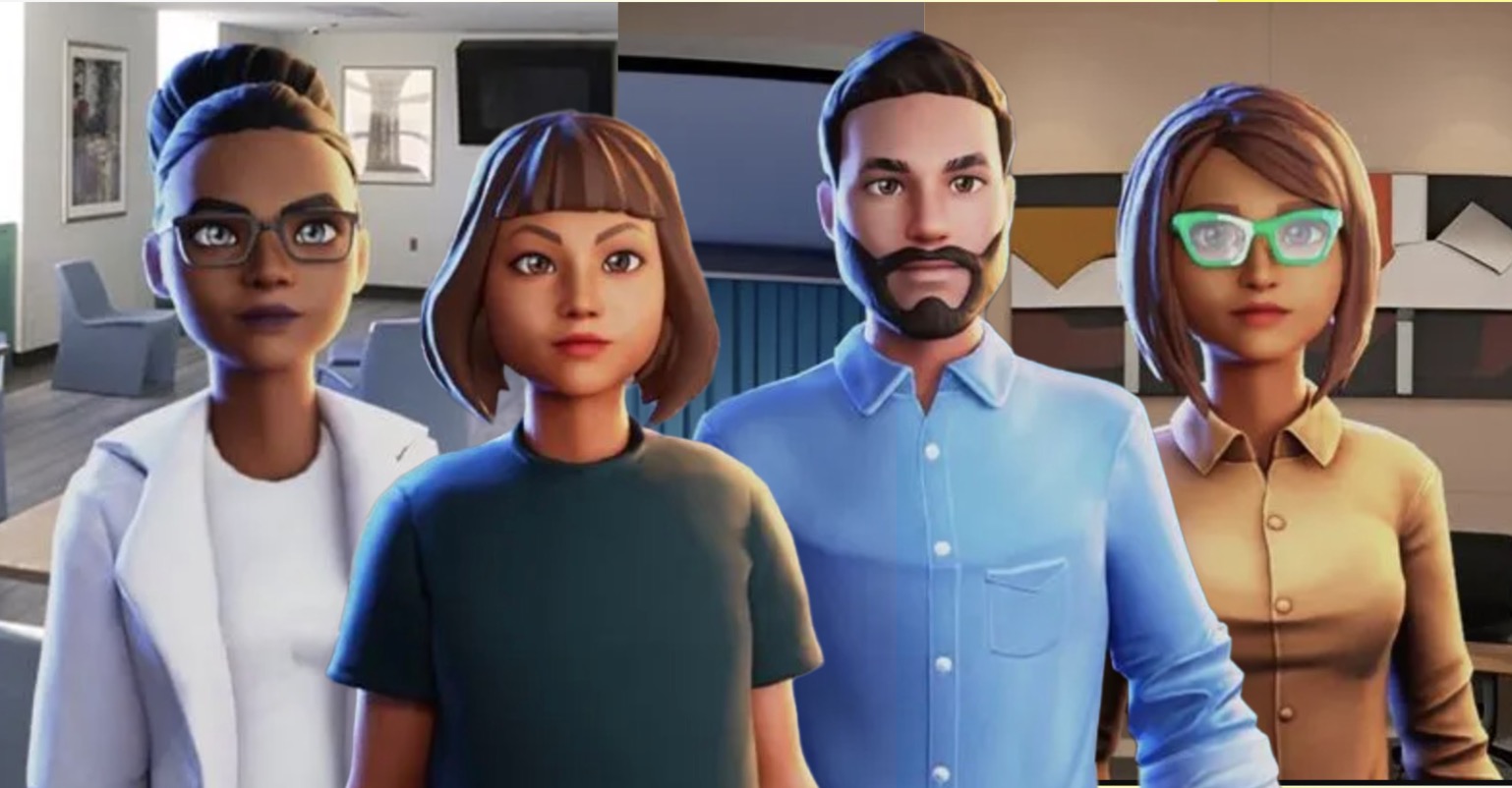
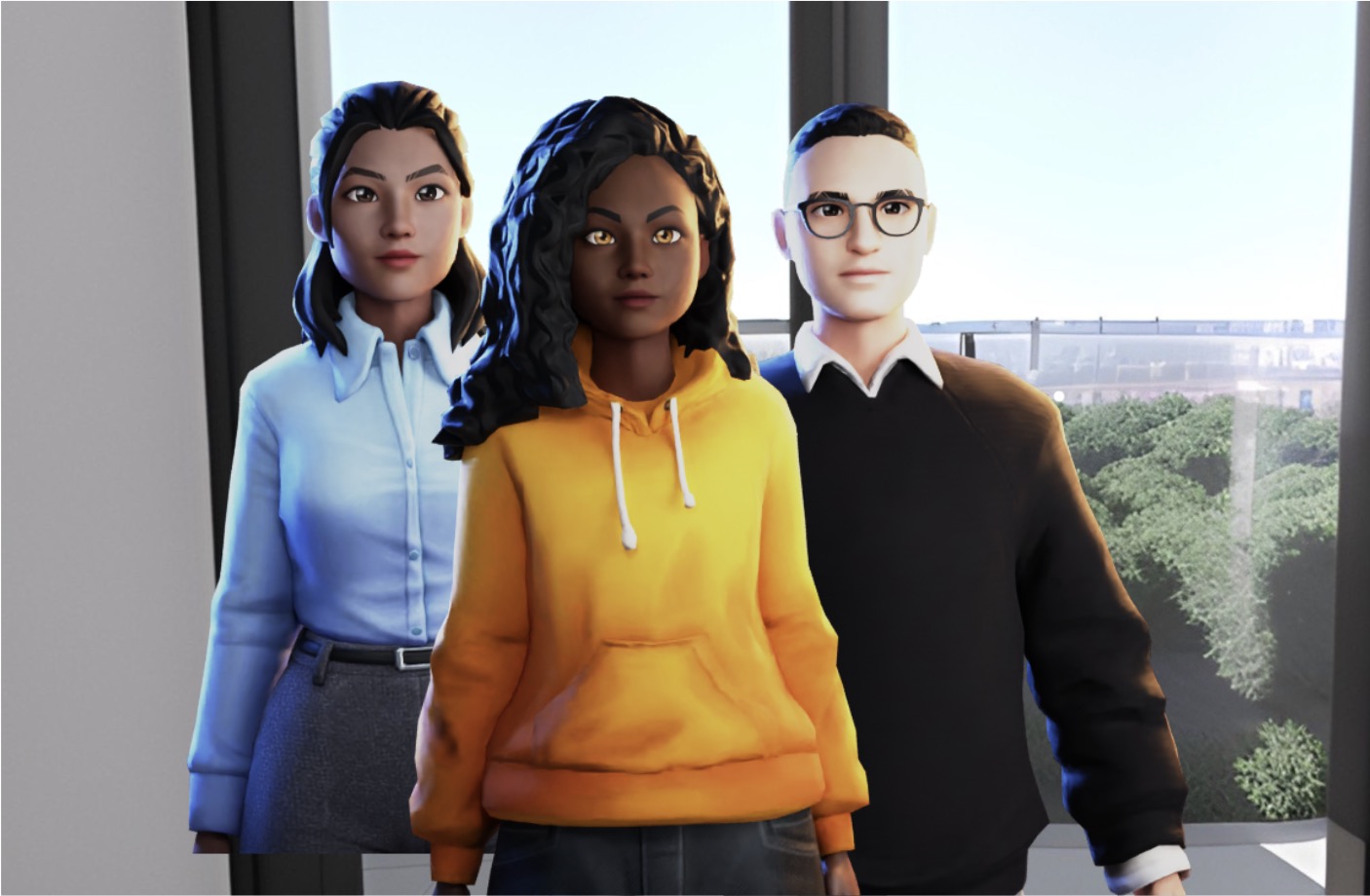
The team designed a comprehensive training hub featuring interconnected simulations that represent different client personas and clinical counseling objectives:
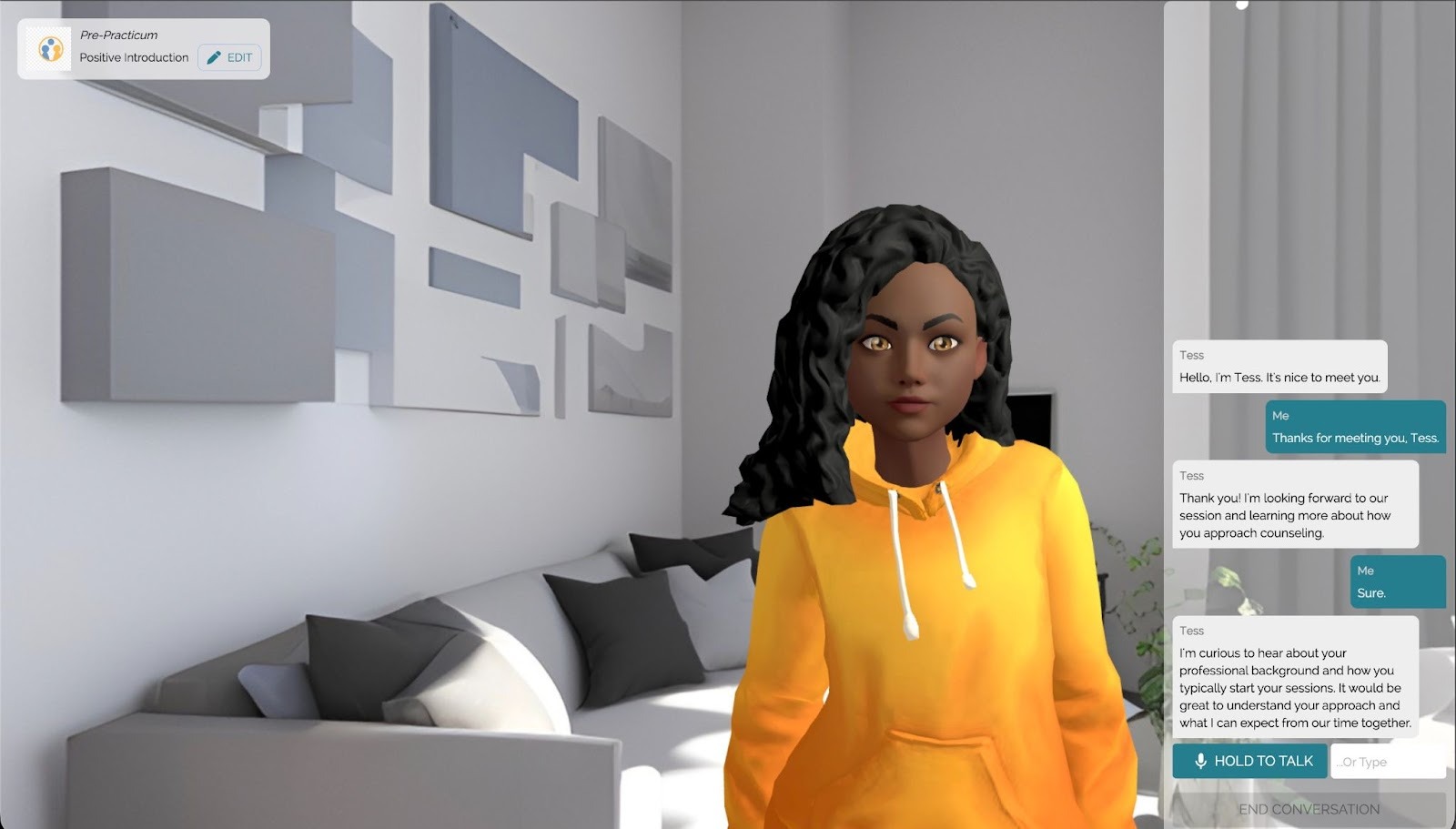
Assessment Criteria
Student progress is evaluated using detailed custom rubrics added directly into the Wonda Pro platform, which provide structured, individualized feedback on the learner's approach.
The primary assessment focus areas include:
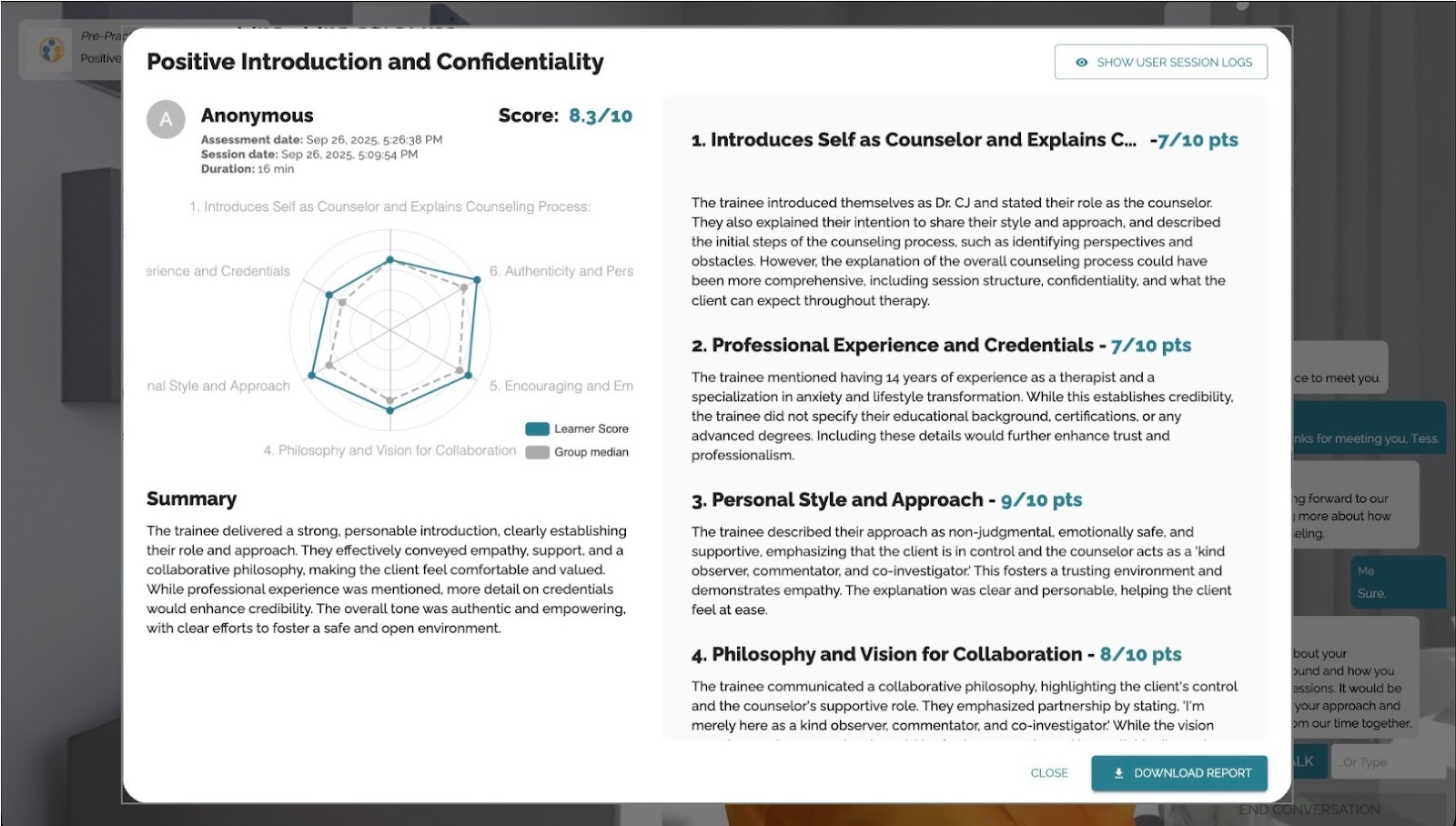
The "Dr. CJ Counselor's Hub" pilot has seen high engagement among students, generating nearly 500 total sessions across its various simulations.
By offering a safe, nonjudgmental space to learn, this program opens up new opportunities to prepare ECU counseling students to provide compassionate, person-centered support and professional reasoning in real-world clinical settings.
More coming soon.